
Dental Implants After Gum Disease: What a Periodontist Checks First
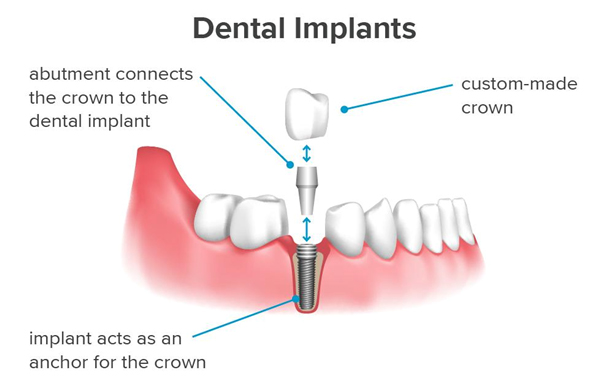
Yes, many people who have had gum disease can still have dental implants. First, the gum disease must be treated and stable. You also need enough healthy bone, and you must be ready for regular maintenance visits. People with a history of periodontitis (advanced gum disease) have a higher risk of infection around an implant later, called peri-implantitis. That is why a periodontist checks your gums, bone and general health before an implant is placed.
For the treatment steps and aftercare, see dental implants in Velachery.
Why gum disease matters for implants
Many teeth are lost to periodontitis. Removing a tooth does not remove the bacteria or the risk factors behind it. Implants can be affected by a similar disease:
- Peri-implant mucositis: inflammation of the gum around an implant, with bleeding and swelling. Like gingivitis around a tooth, it can usually be reversed with professional cleaning and better home care.
- Peri-implantitis: inflammation that has spread to the bone around the implant and caused bone loss. It is harder to treat than gum disease around natural teeth, and it can lead to losing the implant.
Studies point to three clear risk factors for peri-implantitis: a history of periodontitis, poor plaque control, and not coming for regular maintenance after the implant is fitted. Careful planning lowers the risk. It does not remove it.
What a periodontist checks before an implant

1. Is the gum disease under control?
Dr. Sivaranjani checks the gums around all your remaining teeth, not just the gap. She measures the gum pockets and notes where the gums bleed when gently probed. If gum disease is active, it is treated first, usually with deep cleaning (scaling and root planing); see gum treatment in Velachery. The gums are re-checked after about 6–8 weeks. An implant is planned once the gums are stable, with shallow pockets, little or no bleeding and good daily cleaning.
2. What is the outlook for your other teeth?
Some teeth with gum disease can be kept with treatment, and keeping a healthy natural tooth is usually better than replacing it. Other teeth have lost too much support and may not last. Knowing this early avoids placing an implant next to a tooth that will soon be lost. It also helps plan how many implants you need, and where.
3. Is there enough bone?
Periodontitis destroys some of the bone around teeth, and more bone shrinks away after a tooth is removed. Dental X-rays show how much bone is left and where the nerves and sinus lie. If the bone is too thin or too short, a bone graft may be needed, either before the implant or at the same time. Grafting can lengthen treatment by a few months.
4. Is the gum around the gap healthy?
A band of firm gum around an implant makes it easier and more comfortable to keep clean. Where the gum is very thin or has receded, a small gum graft is sometimes advised.
5. Diabetes, smoking and medicines
- Diabetes: diabetes that is well controlled is usually not a reason to avoid implants. High sugar levels slow healing and raise the risk of infection, so we may ask for a recent HbA1c (average blood sugar) test before surgery.
- Smoking and tobacco: smoking raises the risk of an implant not fusing with the bone, and it harms the gums around both teeth and implants. Stopping, at least while the implant heals, gives it a better chance.
- Medicines and health: blood thinners, osteoporosis medicines, past radiotherapy to the head or neck, and pregnancy can all change the plan or its timing. Bring a list of the medicines you take.
6. Grinding and your bite
Grinding or clenching puts heavy force on implants and their crowns. If you grind, a night guard may be advised to protect the new tooth. Teeth that have drifted because of gum disease are also checked, because your bite affects where an implant can go.
7. Can you keep it clean for the long term?
An implant cannot decay, but the gum and bone around it can still become infected. Brushing twice a day, cleaning around the implant with floss or interdental brushes, and professional maintenance protect it. After gum disease, maintenance visits are usually every 3–4 months. Agreeing to that schedule is part of being ready for an implant.
When can the implant be placed?
Timing depends on your gums and bone:
- Gum disease is treated and re-checked first. Implant surgery is not done while periodontitis is active and untreated.
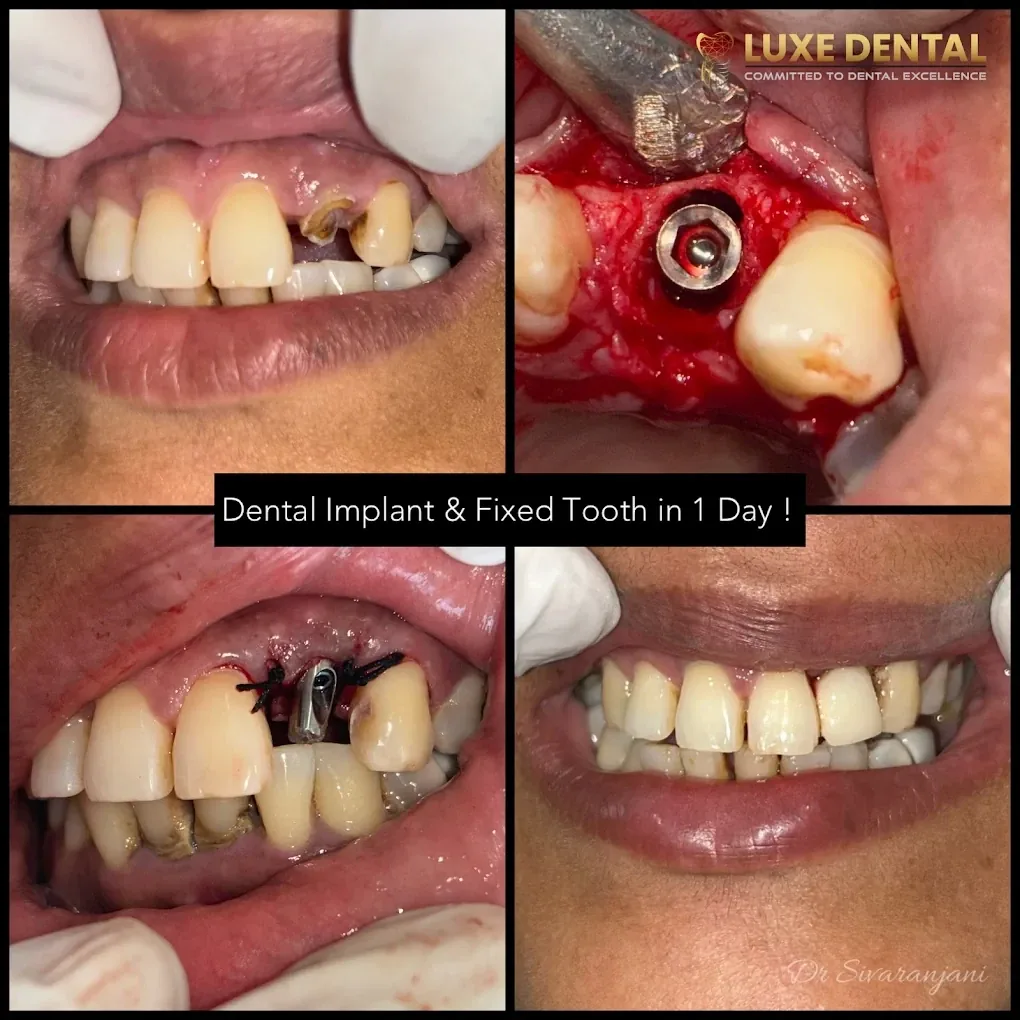
- If a tooth has to be removed, the implant may sometimes go in at the same visit. More often after gum disease, the site is left to heal first, for a few weeks to a few months. Infection or bone loss at the site usually means waiting.
- The implant then bonds with the bone, usually over 3–6 months, before the final crown is fitted.
After the implant: maintenance matters most
At each maintenance visit, the gums around your teeth and implants are checked for bleeding and pockets, and plaque and tartar are cleaned away. An X-ray is taken when needed to compare bone levels. Treating mucositis early is much easier than treating peri-implantitis later.
Between visits, call us if the gum around an implant bleeds, swells, feels sore or has pus, or if the implant or its crown feels loose. Do not wait for pain; early implant problems often do not hurt.
Frequently asked questions
Can I get dental implants if I have gum disease?
Not while it is active. The gum disease must be treated and stable first. Many people who have had periodontitis go on to have implants, but their risk of problems around the implant is higher. Careful home care and regular maintenance visits are essential.
What is a periodontist and implantologist?
Periodontics is the branch of dentistry that treats the gums and the bone that hold the teeth, and a periodontist holds a master’s degree (MDS) in it. Implant placement is part of that training. “Implantologist” is a general term for a dentist who places implants after extra training. Dr. Sivaranjani is a periodontist with advanced training in implant dentistry.
Can dental implants get infected?
Yes. The gum around an implant can become inflamed (peri-implant mucositis). If the inflammation spreads to the bone, it is called peri-implantitis. Bleeding, swelling, pus or a bad taste around an implant are warning signs. Early inflammation usually settles with professional cleaning and better home care.
How long do dental implants last after gum disease?
With treated gums, good daily cleaning, no smoking and regular maintenance, implants can last many years. A history of gum disease raises the risk of problems, so the long-term outlook depends a lot on maintenance.
Do I need a bone graft after gum disease?
Not always. It depends on how much bone remains where the implant will go. Gum disease and tooth loss both reduce bone, so grafts are more often needed. Your consultation X-rays show whether you need one.
Book a visit in Velachery
If you have had gum disease and are thinking about implants, book a consultation: we check your gums, take X-rays and give you a written plan. Call +91 99977 97777, WhatsApp us or get directions.
Luxe Dental Clinic, No 3, 76A, Second Floor, Radha Mohan Street, Periyar Nagar, Velachery, Chennai 600042 (near Phoenix MarketCity). Open Monday–Saturday, 10:00 AM – 8:30 PM. Sunday closed. More about our dental clinic in Velachery.
Recent Posts


luxecentre 20 Oct 2026
Bleeding Gums When Brushing: Causes, Home Care and When to See a Periodontist in Velachery

