
Teeth Cleaning (Scaling) & Check-ups in Velachery
A dental check-up and professional cleaning (scaling and polishing) find problems early and remove the hard tartar that brushing cannot. They help prevent cavities, gum disease and bad breath, and they suit everyone from children to older adults. At our Velachery clinic, Dr. Sivaranjani checks your teeth, gums and mouth, and explains what she finds in plain words.
- ★ 4.9 Google rating
- Periyar Nagar, Velachery (near Phoenix MarketCity)
- Mon–Sat 10 AM – 8:30 PM
What is a check-up and cleaning?
A check-up is a careful look at your teeth, gums and mouth. A cleaning, also called scaling and polishing or oral prophylaxis, removes plaque and tartar. Plaque is the soft, sticky layer of bacteria that forms on teeth every day. If it is not brushed away, it hardens into tartar (calculus). Only a dental cleaning can remove tartar. Left in place, it irritates the gums and makes them bleed.
Who needs it?
Everyone needs regular check-ups, even when nothing hurts. Early decay and gum disease often cause no pain at first. Come in sooner if you notice:
- Gums that bleed when you brush or floss
- Bad breath that does not go away
- Hard yellow or brown deposits near the gums
- Stains from tea, coffee, tobacco or paan
- Sensitivity to cold or sweet food
- A mouth ulcer, or a white or red patch, that has not healed in two weeks
What happens at a check-up
- Your history. We ask about your health, medicines, diabetes, pregnancy and tobacco use.
- Teeth. Dr. Sivaranjani checks each tooth for decay, cracks and wear, and checks old fillings and crowns.
- Gums. A thin, blunt probe is placed gently between each tooth and the gum. It shows bleeding and any pockets, an early sign of gum disease.
- X-rays, when needed. Small X-rays show decay between teeth and the bone around the roots. We take them only when needed, not at every visit. Tell us if you are pregnant.
- Oral-cancer screening look. We look at your lips, cheeks, tongue, palate and throat, and feel your jaw and neck for lumps. This matters most if you smoke or chew tobacco, paan or areca nut. It is a visual check, not a test. If anything looks unusual, we explain the next step.
- Your plan. We explain what we found. If treatment is needed, you get a written estimate first.
Scaling and polishing, step by step
- An ultrasonic scaler (a fine vibrating tip with a water spray) breaks up tartar above and just below the gums.
- Fine hand instruments remove the smaller deposits that remain.
- A gentle paste on a soft rubber cup polishes away surface stains. Smooth teeth collect less plaque.
- We floss between your teeth and you rinse.
- We show you how to brush and clean between your teeth. Fluoride may be applied if you are prone to decay or sensitivity.
If tartar has built up deep under the gums, a deeper cleaning called scaling and root planing may be needed. See gum treatment.
Does scaling damage enamel or loosen teeth?
No. Done properly, scaling removes tartar, not enamel. The instruments are designed to lift deposits off the tooth surface without wearing the tooth away.
Some people feel gaps or slight looseness after cleaning. This is because tartar was filling spaces where the gums had already shrunk, and holding teeth together like cement. The cleaning does not create the gaps; it uncovers them. As the gums heal, they usually tighten around the teeth. Teeth that were already loose from gum disease need gum treatment, not less cleaning.
Mild sensitivity to cold for a few days is common, because surfaces that tartar covered are exposed again. A sensitivity toothpaste helps. Read about the common causes of tooth sensitivity.
Is scaling painful?
Most people do not need an injection for a routine cleaning. You will feel vibration, scraping and a cool water spray. Inflamed gums or exposed roots can feel sharp for a moment. Tell us, and we will slow down or use a numbing gel. If a deeper cleaning is needed, it is done under local anaesthesia, and most people feel pressure rather than pain. Gums may feel a little sore for a day or two.
Time, visits and how often to come
| What | Usual visits |
|---|---|
| Check-up with scaling and polishing | Usually 1 visit |
| Heavy tartar or staining | Sometimes 2 visits |
| X-rays | Same visit, only when needed |
| Routine recall | Every 6 months |
| Gum disease or diabetes | Every 3–4 months |
Most people need a check-up and cleaning every six months. With gum disease or diabetes, every 3–4 months is usually better, because tartar and gum problems return faster. Read about the impact of diabetes on oral health.
Recovery and aftercare
- You can eat and go back to work straight away.
- If teeth feel sensitive, avoid very hot or cold food for a day or two.
- Some bleeding when brushing for a day or two is normal. Keep brushing gently.
- Brush twice a day with fluoride toothpaste. Clean between your teeth daily with floss or small interdental brushes.
For everyday habits between visits, read our dental hygiene tips.
Risks and when to call us
Scaling and polishing are low-risk. You may have brief sensitivity, sore gums or light bleeding. Rarely, an old filling or crown that was already weak may chip or come loose during cleaning. If so, we will discuss repair. Call us if you have:
- Bleeding that does not stop with gentle pressure
- Swelling, or pain that gets worse after two or three days
- Sensitivity that is still strong after two weeks
Teeth cleaning (scaling) cost in Chennai: what affects it
Cost depends on whether X-rays are needed and how much tartar and staining there is. Deeper gum cleaning, if needed, is planned separately. If the check-up finds a problem, we explain your options first. We give you a written estimate after your check-up, before treatment starts. Ask us about payment options.
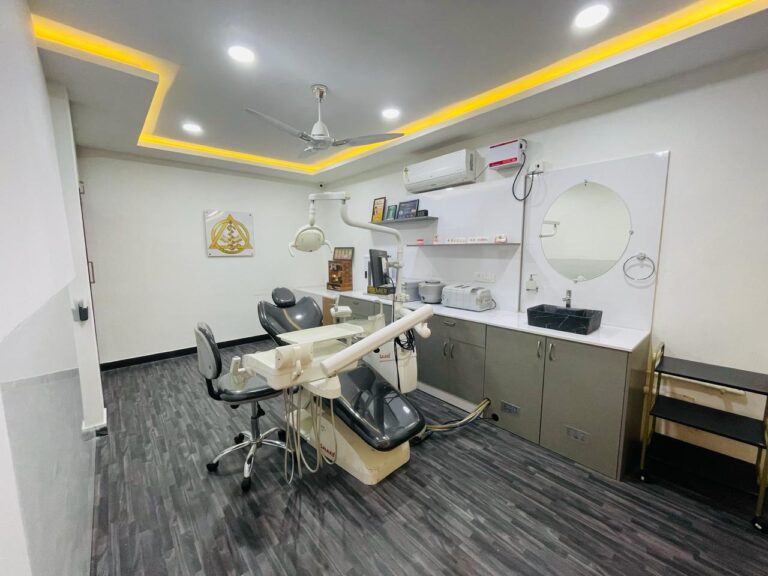
Why patients choose Luxe Dental
- Dr. Sivaranjani has been practising since 2014, and gum health is her postgraduate field (MDS, Periodontics).
- Rated 4.9★ from 272 Google reviews (October 2026).
- One dentist sees you through, from check-up to any treatment.
- In Velachery, near the Phoenix MarketCity parking exit gate.
- Open Monday to Saturday, 10:00 AM – 8:30 PM.
FAQs
Do I need a check-up if nothing hurts?
Yes. Early decay and gum disease often cause no pain at first. Problems found early are usually simpler to treat.
Will a cleaning make my teeth whiter?
Polishing removes surface stains, so teeth often look brighter. It does not change the natural shade of your teeth. For that, see teeth whitening.
My gums bleed during cleaning. Is that a problem?
Bleeding is a sign of inflamed gums, not damage from the cleaning. It usually settles within a week or two as the gums heal. Keep brushing and cleaning between your teeth.
Can I have a cleaning during pregnancy?
Yes. Pregnancy hormones can make gums swell and bleed, so cleaning helps. The middle three months are often the most comfortable time. Tell us you are pregnant; we avoid X-rays unless they are really needed.
I take blood thinners. Can I still have scaling?
Usually, yes. Tell us which medicines you take, and do not stop any medicine on your own. If needed, we will check with your doctor first.
How often should my child have a check-up?
Usually every six months, starting from the first tooth or first birthday. See kids’ dental care.
Is scaling bad for teeth?
No. Scaling removes hardened tartar that brushing cannot. It does not wear away enamel or loosen healthy teeth. Your teeth may feel sensitive for a few days afterwards, because the tartar that covered the gum line is gone. If tartar was holding loose teeth together, they can feel a little looser until the gums heal and tighten.
Is scaling the same as teeth cleaning?
Mostly, yes. A routine teeth cleaning means scaling to remove tartar, then polishing to remove surface stains. Deep cleaning below the gums (root planing) is a separate treatment for gum disease; see gum treatment.
Related treatments
Book a visit in Velachery
Book your six-monthly check-up and cleaning with Dr. Sivaranjani. Call +91 99977 97777, WhatsApp us or get directions.
Luxe Dental Clinic, No 3, 76A, Second Floor, Radha Mohan Street, Periyar Nagar, Velachery, Chennai 600042 (near Phoenix MarketCity). Open Monday–Saturday, 10:00 AM – 8:30 PM. Sunday closed. See clinic details, map and directions.
